A backup seems like a dull topic, right up until the first real breakdown. After that, it becomes the single most important file you own.
A site can break after an update, a hack, a plugin error, or a hosting issue. Without a recent backup, recovery turns into something slow, expensive and stressful; a backup is not a “just in case” extra, it is the ability to get back to a working state.
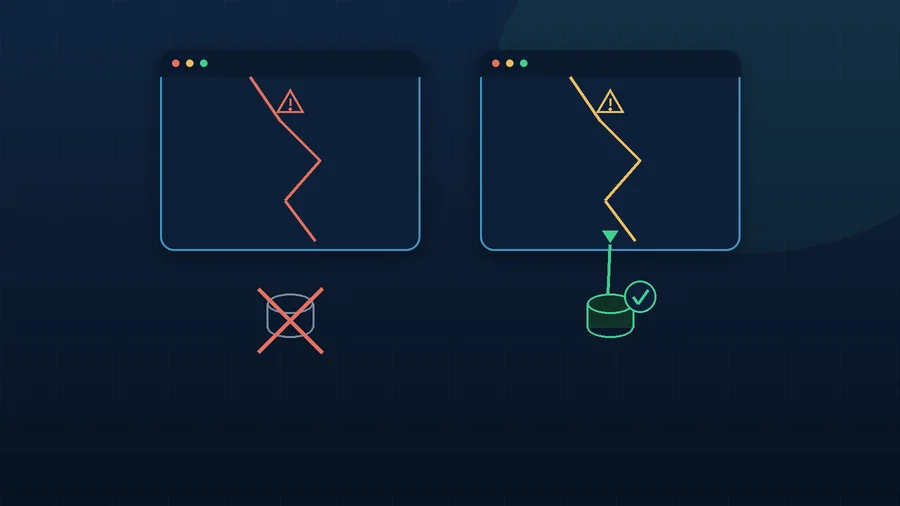
What the numbers show
The second figure matters more than the first: having a backup and being sure it will actually restore are two different things. Testing the restore matters just as much as making the copy.
What a proper backup system looks like
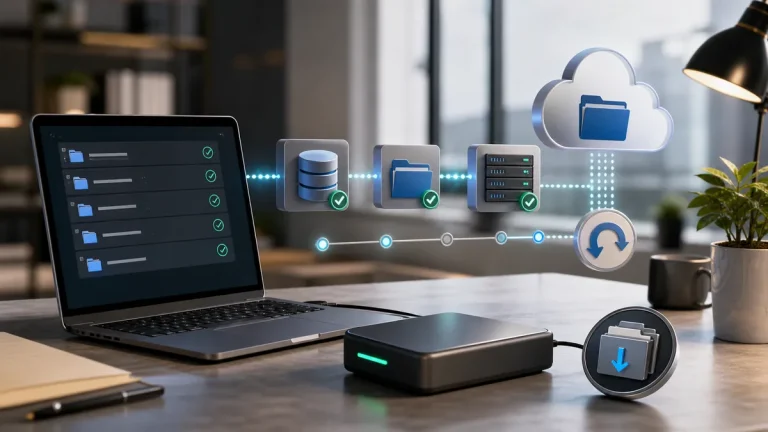
A proper system is clear and testable: a copy of both the files and the database, a regular schedule, storage that does not sit only on the same server, a defined retention period, a backup before any edits and after any major change, and, above all, confirmation that the site can genuinely be restored from that copy.
Common mistakes are usually the exact opposite: assuming “the host surely has something”, keeping the copy only on the site itself, not backing up the database separately from the files, making a copy once every six months, or updating WordPress with no recent backup in place.
Where the risk lies
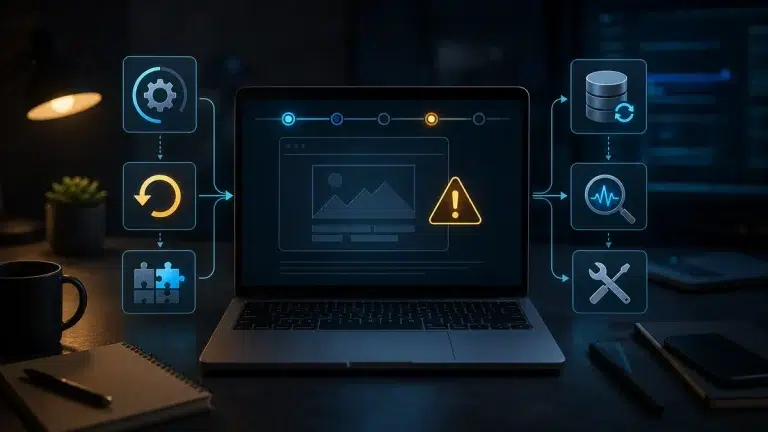
The most unpleasant situation is when the problem is already visible and there is nothing to roll back to. For example, after an update the design breaks, a form stops sending enquiries, or unfamiliar pages appear on the site. With a recent backup of the files and database, it is straightforward to compare, restore, and track down the cause. Without one, the work turns into an investigation: what things looked like before, what data has been lost, and whether it is even possible to get the site back to how it was.
What to ask your web professional
- how often backups are made
- what is included: files and the database, or files only
- where the copy is stored
- how long it is kept for
- whether a copy is made before every update
- whether a recent export exists right now
When it is better to delegate
Backups should be part of ongoing maintenance, not an occasional manual task. If a site matters for the business and is tied to enquiries, customer trust and advertising, the copies need to be regular and clear, not dependent on someone remembering to make them by hand.
If you do not have backups yet, take a look at backups and website recovery, and regular website maintenance can help keep things in order afterwards.
If you have the time and the interest, part of this work can be done yourself, and that is perfectly fine. But if you would rather focus on your business and your customers than turn the site into yet another evening chore, Zen Webmaster can take the technical side off your hands: structure, WordPress, forms, backups, security and calm, ongoing support.
Latest posts