Online booking can save time for a restaurant’s team. But it is not something every restaurant needs, or needs all the time: if the restaurant is small, a clear call button or a simple form is sometimes enough.
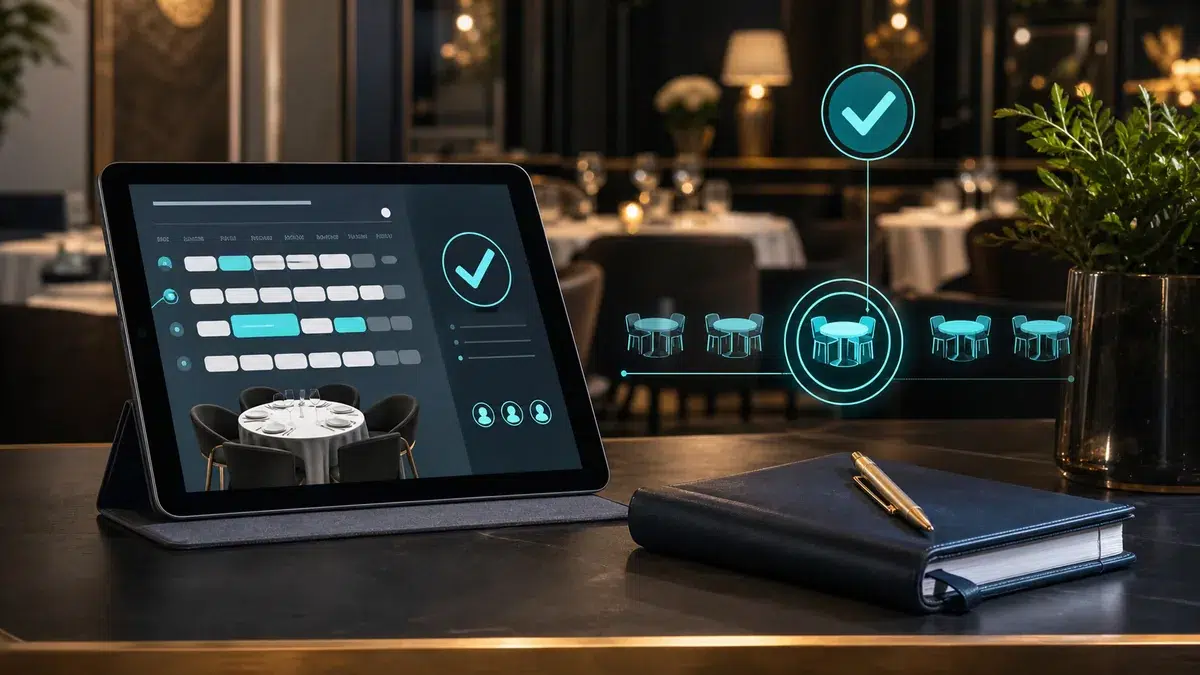
A booking system is not just a button; it is a whole process: the customer picks a date and time, gets a confirmation, and the team sees the reservation. If that process is not thought through in advance, online booking can create more chaos than benefit.
When booking genuinely helps

A booking system is worth having
Lots of calls during service hours, customers booking in advance, frequent no-shows, and a need for the whole team to see the reservation list.

A call or a form is enough
The restaurant is small, footfall is steady, and the owner prefers confirming every booking in person.
Common mistakes when setting it up
Problems appear when a booking module gets added with no rules behind it: no limit per table, no confirmation reaching the customer, a form that does not work on a phone, no cancellation policy, and a system that does not account for closed days and public holidays.
Where the risk lies
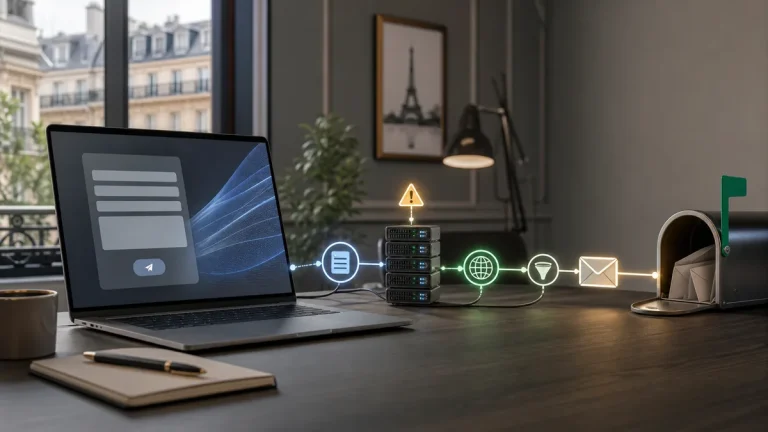
The risk is that the site promises a table the restaurant does not even know about: double bookings, e-mails landing in spam, a customer turning up with no confirmation, and the team not seeing the request in time.
What you can do yourself
- count how many bookings you get a day, and when calls peak
- decide who on the team confirms tables
- work out what information you actually need from the customer at booking
- think through how cancellations get handled
- mark the days the restaurant is closed
When it is better to delegate
Online booking is worth setting up when it makes the team’s work easier, not when it adds one more channel of chaos. What matters is not installing a sophisticated tool because it is fashionable, but understanding the dining room’s real workload.
Zen Webmaster can set up a booking system built around how your restaurant actually operates, instead of creating extra work.
Latest posts