PHP is the language WordPress runs on. A site owner may never think about it at all, until the day the host sends an e-mail: your PHP version is outdated. After that, the worry sets in: updating feels risky, but not updating is not really an option either.
Outdated PHP is a matter of security, speed and compatibility: hosts gradually retire old versions, and new plugins stop supporting them. The site can keep opening and looking perfectly normal while quietly becoming more fragile underneath; the longer the update gets put off, the harder the migration becomes.
What it should look like, and what usually goes wrong
A proper PHP update is never done blind: a backup first, a check of the current plugins and theme, the update itself, testing the forms, and a rollback plan. It is risky to just flip the version and hope for the best, with no backup, plugins that have been abandoned for years, and no check of the mobile version afterwards.
Where the risk lies
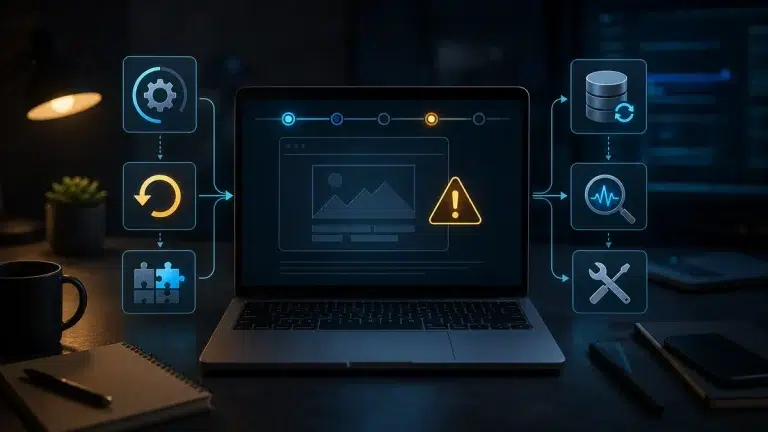
The risk is that an outdated technical foundation starts holding the whole site back: plugins stop updating, errors creep in, the host disables the old version, and the update turns into an emergency repair instead of a calm, planned one.
What you can do yourself
- check your current PHP version with your host
- note down the list of plugins in use
- check the date of the last backup
- write down the important forms and pages to check after the update
- ask your host when the old version is due to be switched off
When it is better to delegate
Updating PHP is not a scary task if it is done with a backup and proper testing. But for an older WordPress site, it is worth running a compatibility audit first. Zen Webmaster can update PHP calmly, with a rollback plan, rather than in a rush after a warning from the host.
Latest posts