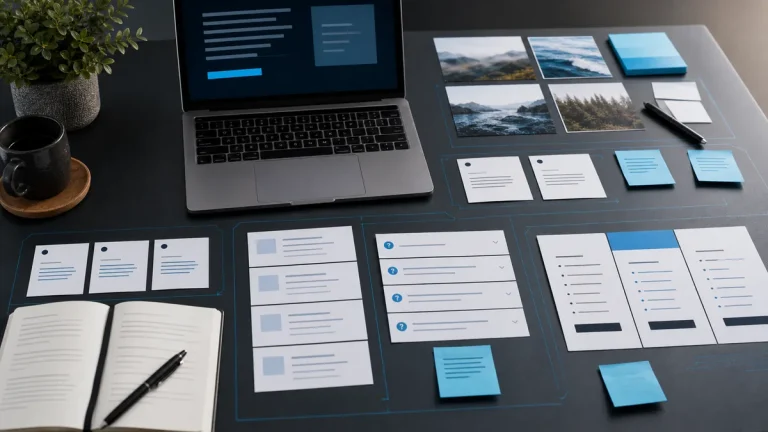
Many businesses in France work with customers across several languages: French, English, Russian, Ukrainian and others. A multilingual website can become a genuine strength.
But if languages get bolted on at the last minute, a site quickly turns messy: menus drift out of sync, forms stay untranslated, links point to the wrong place, and SEO gets tangled up. Going multilingual is not just about translating text; it means the URL structure, menus, forms, e-mails and SEO fields all need sorting out for every language.
What a well-built system looks like
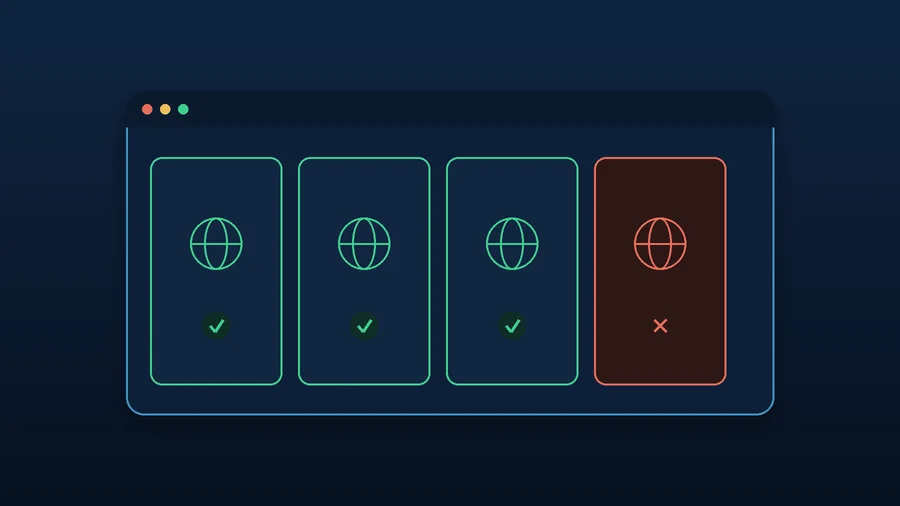
A properly built multilingual site follows a clear logic: every page has its own version in each language, menus and buttons are translated and lead to the form for the right language, SEO fields are filled in per language, and the language switcher is visible and does not just dump visitors back on the homepage.
Common mistakes almost always trace back to language being bolted on after the design was already finished: a page exists in one language but not another, only the visible text got translated, and the SEO title stayed in the original language.
Where the risk lies
The risk starts when going multilingual gets treated as running text through a translator: pages end up competing against each other in search results, customers land on the wrong language, and enquiries get sent to the wrong form.
What you can do yourself
- list out which pages are needed in each language
- decide which language is the main one for SEO
- decide which services need to appear in every language and which do not
- work out which forms are needed for each language
- find someone to check a human translation, not just a machine one
When it is better to delegate
A multilingual site is best planned from the start; that way, every language reads as a complete version of the business. If the language structure is not thought through early, reworking it later can get expensive, especially for a business serving a local, Russian-speaking or Ukrainian audience.
Zen Webmaster can help design a multilingual structure from the outset: URLs, menus, forms and SEO for every language.
Latest posts