It is January and you have just registered your micro-entreprise (the simplified French sole-trader status). You need a website now: clients ask for a link, and a business card without a web address looks less convincing. There is no money for a “proper website” with a blog, a shop and three languages. Many people conclude from this: if I can’t afford a proper one, I won’t have one at all.
That is the most expensive mistake at the start. An average website that exists works better than a perfect one that does not. Below we look at how to get a website on a small budget: what is genuinely essential at launch, what can safely wait, what the first year costs on each of three routes and where beginners usually get stuck. All prices were checked on 16 October 2026.
What you need from day one
The minimum working set is shorter than you might think. It comes down to six items, and without any one of them the website loses enquiries or trust.

A domain in your name
An address such as yourname.fr, where the registrar’s records show you as the owner, not a contractor or a friend. A .fr domain costs €5 to €25 a year depending on the registrar, the first year is often cheaper, and getting back a domain registered in someone else’s name can be very hard.

One page with a clear offer
Who you are, what you do, where you work, a “from” price and how to get in touch. If a visitor cannot tell what you do within a few seconds, nothing else matters.

One-tap contact
A call button, a WhatsApp button (WhatsApp Help calls this “click to chat”: for the number 06 00 00 00 00 the link is https://wa.me/33600000000, that is, country code 33, no plus sign, no leading zero and no spaces) or a simple form. One channel is enough, as long as it is one you actually check every day.

Mentions légales
The legal notice page French law requires, micro-entreprises included: your name followed by “EI” (entrepreneur individuel), address, e-mail, phone, registration number and hosting provider details (service-public, in French). If the website has a form, you also need a page on personal data.

A Google listing
Your business profile in Google Maps and Search. Google states plainly that creating one costs nothing (Google Business Profile). For a local service it sometimes brings in more calls than the website itself.

Looks right on a phone
Many people will open the website on a smartphone, and Google primarily uses the mobile version of a website for indexing and ranking (Google Search Central). Text is readable without zooming and buttons are easy to tap.
What to prepare yourself whichever route you choose (texts, photos, a list of services) is covered in detail in “What you can prepare yourself before ordering a website“.

What can safely wait
These things are useful, but going without them in the first year costs almost nothing. At launch, though, they eat up a noticeable amount of money and time.
- A blog. Articles bring in search traffic, but slowly and only if they come out regularly. An empty “News” section with one post from two years ago is worse than none at all.
- Several languages. If your clients speak one language for now, start with that one. If you will definitely need a second language, tell whoever builds the website: the structure can be prepared from the start and the translations added later.
- A shop. While orders are few, a “message us” button and payment by link or invoice are enough. A catalogue, basket and delivery make sense once there is a steady flow of orders.
- Elaborate design and animations. Clients choose based on photos of your work, prices and reviews, not on scrolling effects. Animations also slow the page down on a phone.
- Ten service pages. At the start, all your services fit on one page as blocks. Separate pages can come once it is clear which services people ask about most.
Three routes to a website on a small budget: first-year costs
All three routes are valid; the difference is how you pay: with money or with your own time.

DIY on a website builder
Example: Wix. The Light plan costs €16.80 a month incl. VAT when paid a year in advance, with a free domain for the first year (Wix plans, French pricing); from the second year the domain is paid separately, and if you leave Wix you will have to transfer it. The free plan is not suitable for a business: a wixsite.com address and Wix ads, and you cannot connect your own domain. You pay with your evenings.

A one-page website, rent-to-own
At Zen Webmaster: €190 excl. VAT setup and from €49 excl. VAT a month, 12 months minimum. Hosting, maintenance, backups and support are included. After 12 months you can buy the website out for €490 excl. VAT, or earlier by paying the remaining months plus the buyout price (terms).

A one-off build
You pay once and the website is yours from day one. The price is quoted for the job: number of pages, languages, online booking or a shop. Hosting, the domain and maintenance are then paid separately: you handle them yourself or pay a contractor.
Here are the same routes in first-year figures. The price of a one-off build can vary several-fold from one provider to another, so it is not shown here: why, and what goes into it, is explained in “How much should a website cost for a small business in France“.
| Route | Year 1 | Year 2 |
|---|---|---|
| Wix Light | €201.60 incl. VAT | plan + domain |
| One-page website, rent-to-own | from €778 excl. VAT | from €588 excl. VAT |
| One-off build | quoted per job | hosting, domain, upkeep |
How to read these figures:
- The website builder is the cheapest in cash terms: 16.80 × 12 = €201.60, with VAT already included. But you build the website yourself, which takes several evenings, and then more time for changes.
- Rent-to-own: €190 setup plus 12 payments of €49 comes to €778 excl. VAT. From the second year only the monthly payments remain, €588 excl. VAT a year, or you buy the website out for €490 excl. VAT: it becomes yours, and hosting and maintenance are then paid separately, to any contractor or to us. If you buy the website out right after the minimum term, the first year including the buyout comes to €1,268 excl. VAT, and that already covers hosting and maintenance for the year. Zen Webmaster does not currently charge VAT (TVA non applicable, art. 293 B du CGI: the wording French law requires on invoices from VAT-exempt businesses), so these are exactly the amounts on the invoice. If you are comparing with a provider who does charge VAT and your business is under the franchise en base VAT exemption (in French), add 20% to their prices excl. VAT: you will not be able to reclaim that tax.
- A one-off build pays off when you have the money for it and are ready to keep up with updates yourself or pay for maintenance. The heaviest payment falls in the first month, which is exactly when a new business has the least cash.
First-week checklist
- Register the domain in your own name and make sure you hold the login to the registrar account yourself.
- Write down in one file: who you are, your three main services, “from” prices, the area you cover, your hours.
- Pick 5-10 of your own photos taken in daylight.
- Choose one contact channel that you check every day.
- Gather the details for the mentions légales: your name followed by “EI” (entrepreneur individuel), address, e-mail, phone, registration number (RNE or RCS), VAT number if you have one, and the hosting provider’s details.
- Create your Google listing at business.google.com and add your website address to it.
- Open the finished website on your own phone and send yourself a test enquiry.
Where beginners usually get stuck
You can work through the steps above on your own, and many people do. But there are three places where the DIY route most often breaks, and it breaks quietly:
- Domain and e-mail. An address like contact@your-website.fr needs records in the domain settings (DNS). One mistake there and e-mails stop arriving, and no one will warn you. A separate problem: a domain that a friend “helped you register” in their own name.
- Legal pages. Copying someone else’s mentions légales is easy, but you end up with their company details and their hosting provider. If the website collects names and phone numbers through a form, you also need a clear page on personal data (service-public, in French). I am not a lawyer: check against the official pages.
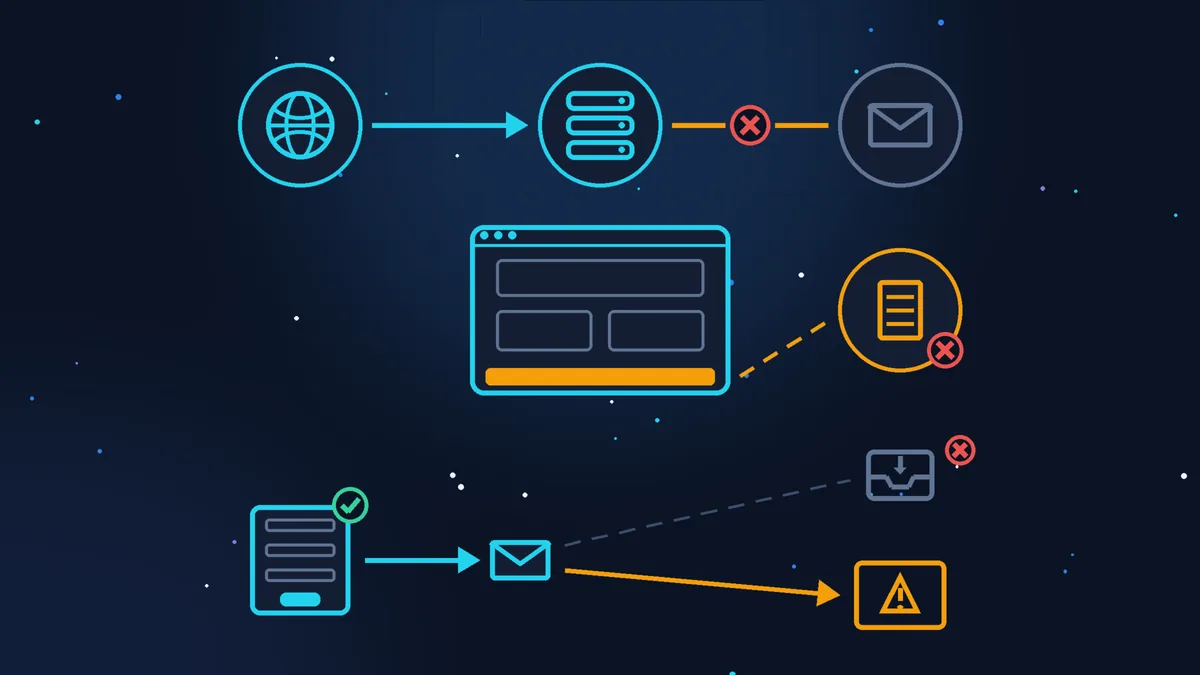
- Forms that never arrive. The form says “Thank you, your message has been sent”, but the e-mail went to spam or was never sent at all. Owners often find out only when a client calls back to complain. Where the problem usually lies is covered in “Form not sending e-mails: where the problem usually is“.
If you feel stuck on one of these points, do not spend a third evening on it. A one-hour starter consultation costs from €49 excl. VAT: we go through what to do straight away, what to put off and what the first year will cost, and you get a written summary with a plan. With it, you can carry on by yourself or take it to any provider. If you order work from Zen Webmaster within 7 days, the consultation fee is deducted from the invoice.
If your time is worth more
If you have the time and the inclination, you can follow this plan on your own without any trouble, and that is a perfectly sound choice. If you would rather spend your time on clients than on DNS and forms, and there is no budget for a one-off build right now, Zen Webmaster can build a one-page website on a rent-to-own basis and take care of the technical side.
Sources (checked 16 October 2026): Wix plans (French pricing); Using Wix for free, Wix Help Center; Google Business Profile; mobile-first indexing, Google Search Central; click to chat, WhatsApp Help Center; Mentions légales, personal data, entreprendre.service-public.gouv.fr (in French); .fr domain, OVHcloud (in French); Zen Webmaster prices: rent-to-own, pricing.
Rather not deal with it yourself?
Describe the task in a few words. I'll reply within one working day with what needs doing, the price and the timing.
Latest posts