This autumn, many small business owners in France received a message from their bank, accountant or invoicing software: “choisissez votre plateforme agréée”, choose your approved platform. If you have a website or an online shop, a second question follows straight away: does e-invoicing in France mean the website has to be rebuilt too? The short answer: usually not. But there are a couple of places in an online shop worth checking in advance.
A caveat: I am a webmaster, not a lawyer or an accountant. What follows is a summary of the official pages on impots.gouv.fr (the French tax authority) and service-public, checked on 15 October 2026, with a link next to each rule. How it applies to your tax regime is a question for your chartered accountant (expert-comptable).
An e-invoice is not a PDF sent by email
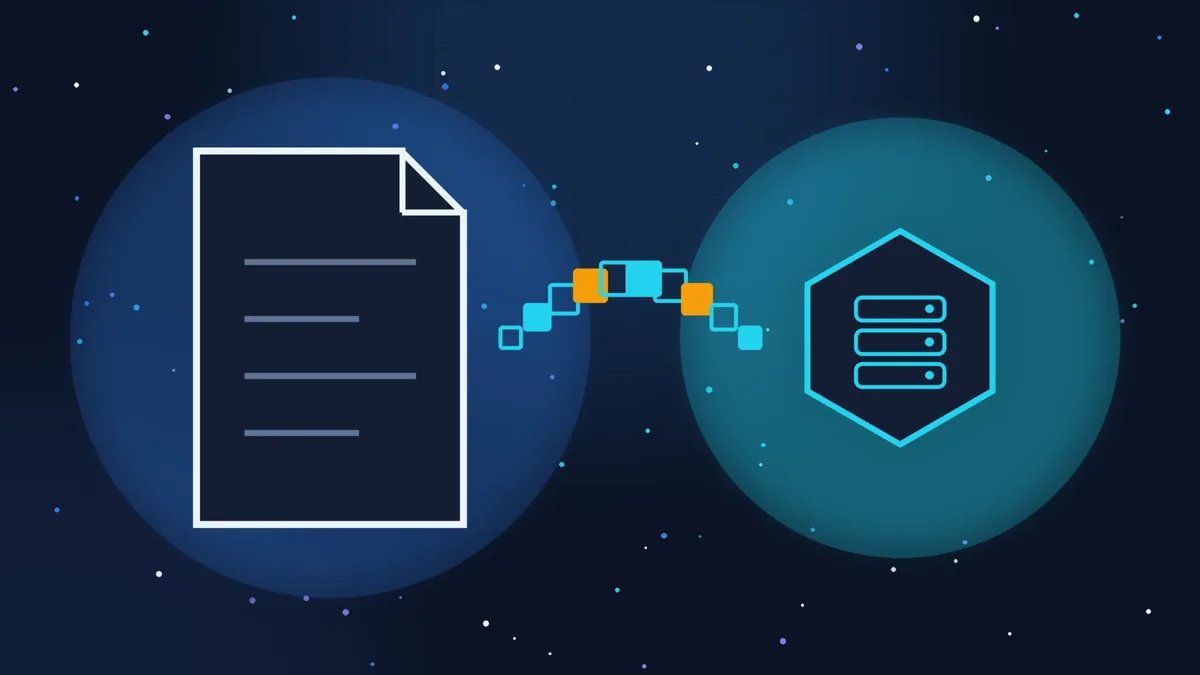
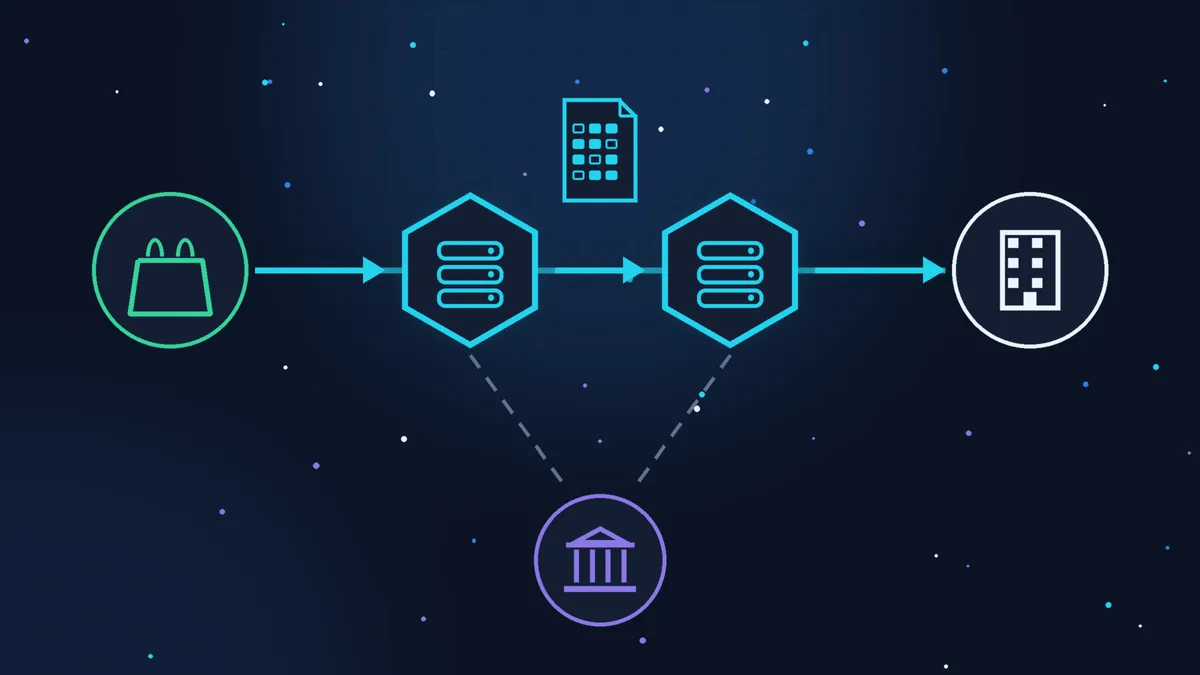
At the moment many people create an invoice in Word or in an app, save it as a PDF and send it by email. Under the new rules, that is not an e-invoice. An e-invoice contains structured data (software can read it without a human: the number, the SIREN, which is the 9-digit French business ID, the amounts, the VAT rate) and it does not reach the customer by email but through an approved platform, a plateforme agréée (impots.gouv.fr, FAQ on invoices sent by email, in French). The formats are called UBL, CII or mixed: a PDF for people plus a data file for software (impots.gouv.fr).
This concerns invoices between businesses established in France. A micro-entrepreneur (France’s simplified sole trader regime) who does not charge VAT is covered too: the VAT exemption for small businesses (franchise en base) does not exempt you from the reform, and the dates are the same as for all SMEs in the table below, including issuing invoices and transmitting data (FAQ for franchise en base businesses).
E-invoicing in France: the timeline
| Date | Who | What |
|---|---|---|
| from 1 September 2026 | all businesses | receive |
| from 1 September 2026 | large companies and ETIs | issue and transmit data |
| from 1 September 2027 | SMEs, very small businesses and micro-enterprises (including auto-entrepreneurs) | issue and transmit data (e-reporting) |
These are the dates given on impots.gouv.fr and entreprendre.service-public. You can start earlier, but not later: the DGFiP FAQ says so in so many words, “au plus tard le 1er septembre 2027” (by 1 September 2027 at the latest). ETIs are mid-sized companies, between SMEs and large companies.
Receiving means this: you must have chosen a platform where your suppliers’ e-invoices will arrive. The tax authority itself gives the example of invoices from your electricity, phone or internet provider. For a website owner, this also covers invoices for hosting and the domain registrar, if it is a French company: large companies and ETIs will start sending e-invoices in 2026, the others from 2027 (the reform does not apply to foreign services).
If a customer demands an e-invoice right now while your start date is 2027, the reform does not give them the right to insist, and they should not refuse to pay a standard invoice (DGFiP practical guide, question 20).
The approved platform in plain words
It is a private company registered by the French tax administration (DGFiP). It receives your invoices, delivers them to your customer’s platform, receives your suppliers’ invoices for you and passes the required data on to the tax authority (impots.gouv.fr, on approved platforms). Older articles call it a PDP, which is the former name.
Three things worth knowing:
- There is no free state portal. The state sets the rules and runs a shared address directory (annuaire), while invoices travel through the platforms (DGFiP FAQ, PDF).
- Free options do exist. According to the same FAQ, as of 1 August 2026 more than ten of the 150 platforms offered a free plan, or a plan included at no extra cost, for the smallest businesses.
- The platform is often chosen through your software. The tax authority lists the routes: directly, or through your invoicing software, accounting software, accountant or bank (practical guide, question 1). If your software says it is a “solution compatible”, it is not a platform itself and works through a partner platform. That is fine, just ask which one.
The list of registered platforms is linked from the platforms page on impots.gouv.fr (the button “Je consulte la liste des plateformes agréées”). Check against that list, not against a link in an email.
Who you sell to: three cases

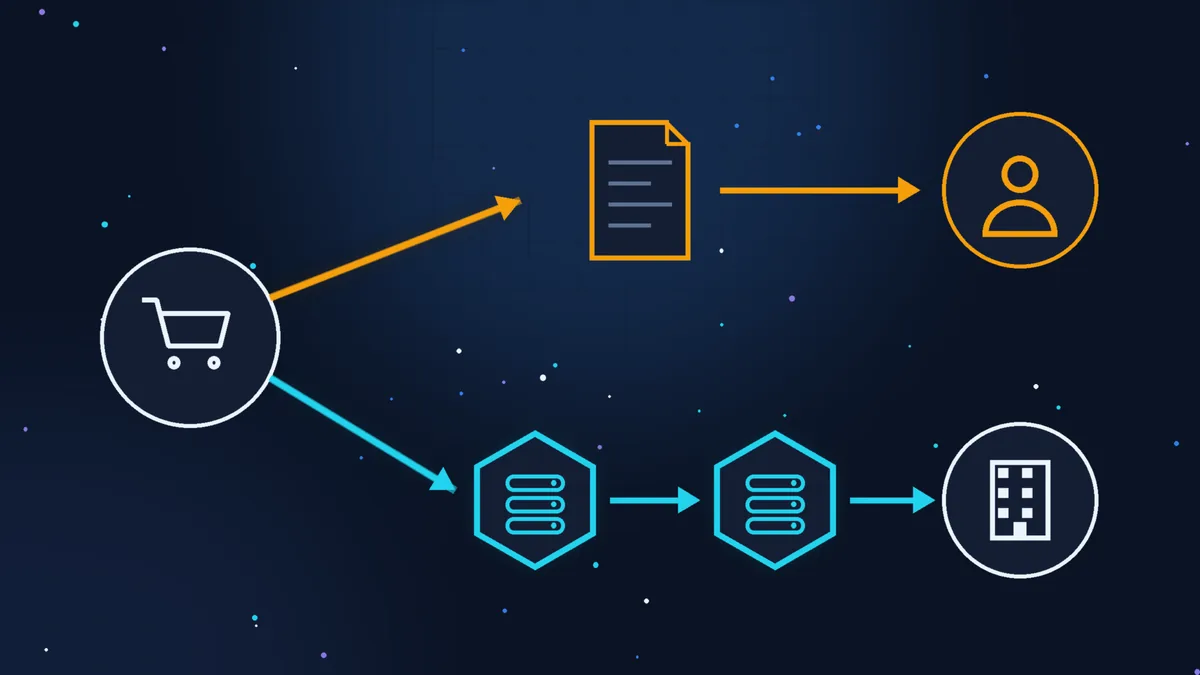
Businesses in France
From your start date (1 September 2027 for SMEs and micro-enterprises), only an e-invoice through a platform. A PDF by email will no longer do.

Private customers
The invoice stays the same, a PDF is fine. Instead, total sales figures go to the tax authority through the platform (for SMEs and micro-enterprises from 1 September 2027): this is e-reporting.

Customers abroad
An e-invoice is not required for businesses or private customers abroad, but data on these sales is also transmitted through e-reporting.
This is how the impots.gouv.fr FAQ describes it. Asked whether the reform covers invoices to private customers, the DGFiP FAQ answers in one word: “Non”, and data on private customers only reaches the tax authority as aggregated totals.
E-reporting (transmitting sales data) is not something you do by hand, and the website does not do it either. Your platform sends it, based on what your invoicing software or accounting passes to it (impots.gouv.fr). There is also e-reporting of payments for some services; whether you need it depends on your VAT regime, which is a question for your accountant.
What changes for the website and the shop

Brochure site with no sales
Nothing changes on the website itself. What changes is your inbox: invoices from French suppliers (hosting, registrar, telecoms) will start arriving through the platform. Foreign services such as Google will keep sending ordinary invoices.

Shop for private customers
The customer gets the same PDF invoice as before. The new part is elsewhere: sales totals have to reach the platform. The question to ask across your shop, invoicing software and accounting: where will the platform get these figures from?
Orders from businesses
From 2027 they need an e-invoice. The customer’s SIREN will appear on the invoice, so the checkout will need a SIREN field and a way to tell a business from a private customer.

Invoicing plugin or module
If your invoices are produced by WooCommerce or PrestaShop, the plugin must be able to send the invoice to the platform or pass it to the software that does. You will find this in the plugin description or from its developer.
From 2027, invoices from SMEs and micro-enterprises will have to include four new details: the SIREN of a business customer, the delivery address if it differs from the customer’s address, what you sell (goods, services or both) and a note that you account for VAT on an invoicing basis (“d’après les débits”), if you have opted for it (service-public, F31808). The delivery address is usually already in the shop. The rest should be filled in by the software, not by you by hand.
If you are still choosing what to build your shop on, ask about invoicing before you decide: PrestaShop or WooCommerce for a small boutique. And the annual subscription to invoicing software is one more line in your costs after a website launch.
What you don’t need to touch on the website
- Legal notice (mentions légales) and cookie banner. The reform does not change them. Nor your terms and conditions (CGV), except in one case: if you sell to businesses and your CGV say the invoice is sent as a PDF by email, that sentence is worth updating before 2027.
- Contact form and payment module. Stripe, PayPal or SumUp take payments as before. If you sell services and your accountant says you need e-reporting of payments, the payment data is passed on by your invoicing software or accounting, not by the module itself.
- PDF invoice template for private customers. It stays a PDF and does not need to go through the platform. Whether to add the new 2027 details to it (for example, whether you sell goods or services) is a question for your accountant: usually it is one line in the invoicing plugin settings.
- The website does not connect to the tax authority. The platform transmits the data, not WordPress.
Checklist: what to ask your software and plugin provider
- Have I chosen an approved platform for receiving invoices, and which one? If you are not sure, ask your accountant or your software’s support team.
- If your software calls itself a “solution compatible”: which platform does it work through?
- Will the software be able to issue e-invoices to businesses by 1 September 2027? From what date will this be switched on?
- How will the shop’s sales to private customers get into e-reporting: automatically from the shop, through the accounting software, or will you have to enter them into the software yourself?
- Does the checkout have a SIREN field for business customers?
- WooCommerce invoicing plugin or PrestaShop module: what does the developer say about the French reform?
- Where are the invoices stored? E-invoices must be kept in electronic form for 6 years (service-public, A15683).
If you are not sure which case applies to you, the tax authority has a four-question test (in French): “La facturation électronique, qu’est-ce que ça change pour moi ?”. There is also a helpline: 0806 807 807, Monday to Friday from 8:30 to 18:00, at the standard call rate.
What if you are not ready in time?
The law does provide for penalties, but the tax authority writes in its practical guide that at the start they are not applied to businesses that are struggling but are “engagées dans une trajectoire sérieuse de mise en conformité”, in other words that have started the switch and can show it. This is neither a postponement nor a cancellation of the obligation. To the direct question “Y aura-t-il des sanctions en 2026 ?” (will there be penalties in 2026?), the DGFiP FAQ answers “Non” and promises an “approche pédagogique et proportionnée”, an educational and proportionate approach. If you have not chosen a platform for receiving invoices, the tax authority’s first step is a mise en demeure, a formal notice to put things right (practical guide, question 29). The takeaway: if your platform is not chosen yet, start now and keep the emails that show it.
A word about emails. The reform is a gift for scammers: “connect urgently”, “change your IBAN”, “pay the fine”. The DGFiP FAQ advises against handing over data after an unexpected email, text message or call. Check any platform against the official list, typing impots.gouv.fr into your browser yourself.
Where to stop
Any owner can check whether a platform has been chosen, ask the questions on the checklist and read the support team’s reply. Other questions are on a different level: your VAT regime, whether you need e-reporting of payments, how to invoice if you have both a shop and services. That is the expert-comptable’s job. My part is technical: the checkout field, the invoicing plugin, the link between the shop and the software.
If your time is worth more
If you have the time, you can work through the checklist in an evening: an email to your software’s support, an email to the plugin developer, setting up the field in the shop. If you would rather not dig into plugins and shop settings, start with a starter consultation (from €49 excl. VAT per hour): we will go through what to change in the shop before 2027 and in what order, with a written summary. I can then take on the technical side, for example as part of WordPress maintenance.
Sources (checked on 15 October 2026, in French): Je passe à la facturation électronique, impots.gouv.fr, updated 1 September 2026; Je découvre la facturation électronique, 26 May 2026; Facturation électronique et plateformes agréées; Guide pratique de démarrage au 1er septembre 2026, DGFiP, July 2026; Tout savoir sur la facturation électronique, DGFiP FAQ; Facturation électronique : c’est pour bientôt, entreprendre.service-public.gouv.fr, 27 February 2026; Mentions obligatoires sur une facture, reviewed by the editors on 11 August 2026.
Rather not deal with it yourself?
Describe the task in a few words. I'll reply within one working day with what needs doing, the price and the timing.
Latest posts